

If you’ve spent any time researching fitness or watching training videos online, you’ve probably come across the term Zone 2 cardio. Endurance athletes swear by it, fitness coaches recommend it, and even doctors have started highlighting its benefits for overall health. Despite its growing popularity, many people still wonder what Zone 2 cardio actually is and why it has become such an important part of modern fitness programs.
The good news is that Zone 2 cardio is much simpler than it sounds.
Rather than pushing yourself to exhaustion every workout, Zone 2 focuses on exercising at a steady, sustainable intensity where your heart, lungs, and muscles can work efficiently together. Instead of leaving you completely drained, this type of training helps your body become stronger over time while placing less stress on your joints and nervous system.
Whether your goal is losing weight, improving endurance, supporting heart health, or simply becoming more active, Zone 2 cardio offers a practical approach that almost anyone can follow. It doesn’t require expensive equipment, advanced athletic ability, or intense workouts several times a week. In fact, many beginners discover that slowing down during exercise actually helps them achieve better long-term results.
In this guide, we’ll explain exactly what Zone 2 cardio is, how to find your ideal heart rate, why it works so well, and how you can start using it to improve your fitness safely and effectively.
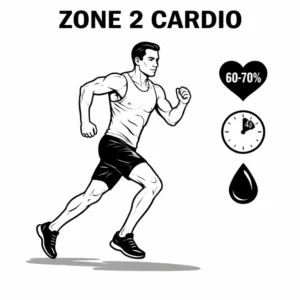
What Is Zone 2 Cardio?
Zone 2 cardio refers to exercising at approximately 60 to 70 percent of your maximum heart rate, although some training methods extend this range slightly depending on individual fitness levels.
At this intensity, your breathing becomes deeper than normal, but you can still speak comfortably in full sentences without gasping for air. This is often called the conversation test, one of the easiest ways to judge whether you’re exercising within Zone 2.
The reason Zone 2 receives so much attention is because of what happens inside your body during this level of exercise.
Instead of depending primarily on carbohydrates, your muscles become highly efficient at using fat as fuel. Your cells also improve their ability to produce energy through structures called mitochondria, often referred to as the “powerhouses” of the cell. The more efficient your mitochondria become, the better your body performs during both exercise and daily activities.
Unlike high-intensity workouts that can leave you exhausted for days, Zone 2 allows you to train consistently without overwhelming your recovery. Over weeks and months, these steady sessions help strengthen your cardiovascular system, improve endurance, and increase your body’s ability to perform physical activity for longer periods.
This is one reason professional marathon runners, cyclists, triathletes, and even elite Olympic athletes spend a surprisingly large portion of their weekly training exercising at what appears to be a relatively easy pace.
They understand that long-term performance is built on a strong aerobic foundation rather than constantly training at maximum intensity.
What Heart Rate Is Zone 2 Cardio?
One of the most common questions people ask is, “What heart rate is considered Zone 2 cardio?”
The answer depends on your age and your maximum heart rate.
A simple estimate uses this formula:
220 minus your age = Estimated Maximum Heart Rate
Once you’ve estimated your maximum heart rate, calculate 60 to 70 percent of that number to determine your Zone 2 training range.
For example, imagine someone who is 40 years old.
220 minus 40 equals a maximum heart rate of approximately 180 beats per minute.
Sixty percent of 180 equals 108 beats per minute.
Seventy percent equals 126 beats per minute.
That means this person’s Zone 2 heart rate would typically fall between 108 and 126 beats per minute.
While this formula provides a useful starting point, it isn’t perfect because everyone’s physiology is different. Some people naturally have higher or lower maximum heart rates than the equation predicts.
For greater accuracy, fitness professionals often recommend using a wearable heart rate monitor, chest strap, or sports watch that continuously measures your heart rate during exercise. Many modern fitness trackers can also estimate your heart rate zones automatically based on your age, activity history, and previous workouts.
Another practical method is the conversation test.
If you’re able to carry on a comfortable conversation while exercising, but singing would be difficult, you’re likely very close to Zone 2 intensity. This simple guideline is surprisingly reliable for most recreational exercisers and doesn’t require any special equipment.
Understanding Heart Rate Zones
Before discussing Zone 2 specifically, it helps to understand how heart rate zones work.
Whenever you exercise, your heart beats faster to deliver oxygen-rich blood throughout your body. The harder you work, the faster your heart needs to pump. Fitness professionals divide these effort levels into five different heart rate zones, each representing a different intensity level and training purpose.
At lower intensities, your body mainly relies on oxygen and stored fat for energy. As your workout becomes more challenging, your body gradually shifts toward using carbohydrates for quick fuel. This change affects not only how long you can maintain the activity but also what physical adaptations your body develops over time.
Each heart rate zone serves a different purpose.
Zone 1 is very light activity, such as casual walking or an easy warm-up.
Zone 2 represents light to moderate aerobic exercise, where you can comfortably maintain your pace while holding a conversation.
Zone 3 moves into moderate intensity, where breathing becomes noticeably heavier and conversations become more difficult.
Zone 4 is considered high intensity, improving speed and performance but becoming difficult to sustain for extended periods.
Zone 5 is maximum effort, reserved for short bursts of intense exercise such as sprinting or high-intensity interval training.
While every zone has value, many coaches consider Zone 2 the foundation of cardiovascular fitness because it develops the body’s aerobic engine without placing excessive stress on recovery.
What Is Considered Zone 2 Cardio?
Many people assume Zone 2 cardio refers to one specific exercise, but that’s not the case. Zone 2 is defined by how hard your body is working, not by the activity itself. As long as your heart rate stays within your target Zone 2 range, almost any aerobic exercise can qualify.
This flexibility is one of the biggest advantages of Zone 2 training. Instead of forcing yourself into a workout you dislike, you can choose activities that match your fitness level, lifestyle, and personal preferences. The key is maintaining a steady, sustainable pace rather than chasing speed or intensity.
For beginners, a brisk walk may be enough to reach Zone 2. Someone with a higher fitness level may need to jog, cycle, or row at a moderate pace to keep their heart rate in the correct range. The important thing is that the effort feels controlled. You should be breathing harder than normal, but you should never feel like you’re struggling to catch your breath.
One of the easiest ways to gauge your effort is the conversation test. If you can comfortably speak in complete sentences but would find it difficult to sing, you’re likely exercising within Zone 2.
The Best Exercises for Zone 2 Cardio
You don’t need specialized equipment or an expensive gym membership to perform Zone 2 cardio. In fact, many everyday activities naturally fit this training style when performed at the right intensity.
Walking is one of the most popular choices because it’s accessible, low impact, and easy to adjust based on your fitness level. Increasing your pace or walking on a slight incline can help elevate your heart rate into Zone 2 without placing excessive stress on your joints.
Cycling is another excellent option. Whether you prefer riding outdoors or using a stationary bike, cycling allows you to maintain a consistent effort while minimizing impact on your knees and hips. This makes it particularly appealing for people recovering from injuries or looking for a joint-friendly cardio workout.
Jogging at a comfortable pace is ideal for those who already have a basic level of fitness. Unlike sprinting or interval training, Zone 2 jogging should feel relaxed enough that you could continue for an extended period without needing frequent breaks.
Swimming is another highly effective choice because it engages multiple muscle groups while reducing stress on the body. The water provides natural resistance, helping improve cardiovascular fitness while remaining gentle on the joints.
Other excellent options include rowing, hiking, using an elliptical machine, cross-country skiing, and even dancing, provided your heart rate remains within your target range.
The best exercise is ultimately the one you enjoy enough to perform consistently. Consistency will always deliver better long-term results than choosing a workout you dread.
How to Do Zone 2 Cardio Effectively
One of the reasons Zone 2 cardio has become so popular is that it’s remarkably simple to implement. You don’t need advanced training experience or expensive equipment to get started. Success comes from maintaining the right level of effort consistently rather than pushing yourself to your physical limits.
If you’re new to Zone 2 training, think of it as building a strong foundation. Just as a house needs a solid base before additional floors can be added, your cardiovascular system benefits from steady aerobic training before introducing more demanding workouts.
Step 1: Calculate Your Zone 2 Heart Rate
Before beginning your workout, determine the heart rate range you want to stay within.
A simple estimate is:
220 – Your Age = Estimated Maximum Heart Rate
Then calculate approximately 60 to 70 percent of that number.
For example:
- Age 25: Estimated Zone 2 is about 117 to 137 bpm
- Age 35: Estimated Zone 2 is about 111 to 130 bpm
- Age 45: Estimated Zone 2 is about 105 to 123 bpm
- Age 55: Estimated Zone 2 is about 99 to 116 bpm
Remember that these numbers are estimates. Everyone’s physiology is different, so using a quality heart rate monitor can provide more personalized guidance.
Step 2: Choose an Activity You Enjoy
The best exercise is the one you’ll continue doing week after week.
Walking outdoors, cycling through your neighborhood, swimming laps, hiking local trails, rowing, or using a treadmill or elliptical can all be excellent choices.
Many people make the mistake of choosing an activity they think burns the most calories instead of one they genuinely enjoy. Long-term consistency matters far more than finding the “perfect” workout.
If you enjoy your exercise routine, you’re much more likely to stick with it.
Step 3: Warm Up Properly
Although Zone 2 isn’t an intense workout, your body still benefits from a gradual warm-up.
Spend five to ten minutes walking or moving at an easy pace before increasing your effort.
This allows your heart rate to rise naturally, prepares your muscles for movement, and reduces the risk of unnecessary strain.
Many fitness trackers automatically exclude this warm-up period when calculating your average workout intensity, giving you a clearer picture of your actual Zone 2 session.
Step 4: Stay Consistent Throughout the Workout
Once you’ve reached your target heart rate, try to maintain it for the duration of your session.
Your pace should feel comfortable and controlled. If your heart rate begins climbing too high, simply slow down until you return to your target range. Likewise, if your heart rate falls below Zone 2, gradually increase your pace.
The goal isn’t speed. It’s consistency.
This steady effort is what creates the physiological adaptations that improve endurance and cardiovascular health over time.
Step 5: Finish With a Cool Down
As your workout comes to an end, gradually reduce your pace for five to ten minutes.
A proper cool down allows your heart rate to return to normal gradually while promoting circulation and reducing post-workout stiffness.
Following your cool down with light stretching can also help maintain flexibility and support recovery.
How Often Should You Do Zone 2 Cardio?
The ideal training frequency depends on your current fitness level and goals.
If your primary objective is improving general health, exercising in Zone 2 two or three times each week provides an excellent starting point. Each session should ideally last between 30 and 45 minutes.
If you’re working toward weight management or improving endurance, increasing to three or four sessions per week can produce even greater benefits.
Experienced endurance athletes often spend five or more days each week performing Zone 2 training because it forms the foundation of their aerobic development.
For most people, consistency matters far more than perfection.
Even three well-planned sessions every week can significantly improve cardiovascular fitness over time.
Can You Do Zone 2 Cardio Every Day?
In many cases, yes.
Because Zone 2 places relatively little stress on your muscles and nervous system, healthy individuals can often perform it frequently without experiencing the fatigue associated with high-intensity workouts.
However, daily training isn’t necessary to experience meaningful improvements.
If you’re just beginning an exercise routine, focus on building a sustainable habit before increasing your weekly training volume.
Remember that rest is an important part of any fitness program.
Common Mistakes to Avoid
Although Zone 2 cardio is straightforward, several common mistakes prevent people from experiencing its full benefits.
Going Too Fast
This is by far the most common error.
Many people are conditioned to believe every workout should feel difficult. As a result, they unknowingly push into Zone 3 or Zone 4 without realizing it.
While harder isn’t always better, staying slightly below maximum effort allows your body to develop the aerobic adaptations that make Zone 2 so effective.
If you’re constantly out of breath, you’re probably exercising too intensely.
Ignoring Heart Rate
Many people judge intensity based solely on how they feel.
While perceived effort is helpful, factors such as stress, sleep, caffeine, hydration, and weather can all influence how difficult exercise feels.
Monitoring your heart rate provides objective feedback and helps you remain within the appropriate training zone.
Not Exercising Long Enough
Zone 2 produces its greatest benefits during sustained aerobic activity.
Although even twenty-minute sessions have value, many experts recommend aiming for 30 to 60 minutes whenever possible.
Longer sessions give your body more time to develop aerobic endurance and improve fat metabolism.
Expecting Immediate Results
Zone 2 isn’t designed to deliver overnight transformations.
Instead, it creates gradual improvements that compound over time.
Many people begin noticing better endurance after several weeks, while more significant cardiovascular adaptations often develop over several months of consistent training.
Patience is one of the keys to success.
Skipping Recovery
Although Zone 2 is much easier than high-intensity training, recovery still matters.
Quality sleep, proper nutrition, hydration, and occasional rest days all contribute to continued progress.
Listening to your body helps ensure that your training remains sustainable over the long term.
FAQ’s About Zone 2 Cardio
Is Zone 2 cardio good for weight loss?
Zone 2 can support weight loss by improving your body’s ability to utilize fat as fuel while increasing your overall calorie expenditure. However, sustainable weight loss still depends on maintaining a healthy calorie deficit through proper nutrition and regular physical activity.
Do beginners benefit from Zone 2 training?
Absolutely. Zone 2 is one of the safest and most approachable forms of cardiovascular exercise for beginners because the intensity is manageable and recovery demands are relatively low.
Is walking considered Zone 2 cardio?
Yes. For many beginners, brisk walking naturally raises the heart rate into Zone 2. As fitness improves, some individuals may need to walk uphill or increase their pace to remain within the target range.
Do I need a heart rate monitor?
No, but it can be very helpful. A smartwatch, fitness tracker, or chest strap allows you to monitor your effort more accurately. If you don’t have one, the conversation test remains an effective way to estimate whether you’re exercising at the correct intensity.
How long does it take to see results?
Most people begin noticing improvements in endurance, energy levels, and exercise capacity within four to eight weeks of consistent training. Long-term cardiovascular and metabolic adaptations continue to develop with regular practice.
Final Thoughts
Zone 2 cardio may not look as exciting as high-intensity interval training or exhausting boot camp workouts, but its effectiveness is backed by decades of research and embraced by some of the world’s most accomplished endurance athletes.
By exercising at a steady, moderate intensity, you teach your body to use oxygen more efficiently, improve fat metabolism, strengthen your cardiovascular system, and build lasting endurance without placing unnecessary stress on your body. These benefits extend far beyond athletic performance, supporting healthier aging, improved energy levels, and better overall well-being.
Perhaps the greatest advantage of Zone 2 training is its sustainability. It doesn’t require you to push yourself to exhaustion or recover for days after every workout. Instead, it encourages consistency, allowing you to exercise regularly while gradually becoming stronger, fitter, and more resilient.
Whether your goal is to lose weight, improve heart health, prepare for an endurance event, or simply feel better during everyday activities, incorporating Zone 2 cardio into your weekly routine is one of the smartest investments you can make in your long-term health.
Start with a pace that feels comfortable, monitor your heart rate, and trust the process. Over time, those steady, manageable workouts can lead to meaningful improvements that benefit both your fitness and your quality of life.
Last Updated on August 5, 2026
Written By

Join thousands of readers leveling up their fitness.
Skip the guesswork—get insights on training, health, and the right gear to support your progress.
You may also like

How To Do A Lat Pulldown Correctly
The lat pulldown is one of the best exercises for building a wider, stronger…

10 Different Types Of Deadlifts And Their Benefits
The deadlift is one of the most powerful compound exercises for building…

How to Strengthen Your Knees for Running
Strong, healthy knees are essential for runners, whether you’re logging miles…

Compound vs. Isolation Exercises: What’s the Difference?
When it comes to strength training, all exercises can generally be divided into…

Back Squat Exercise Guide: How to Master Back Squats
The back squat is one of the most effective strength training exercises for…

10 Medicine Ball Ab Exercises You Need To Try
If you’re tired of traditional crunches and planks, it’s time to add some…