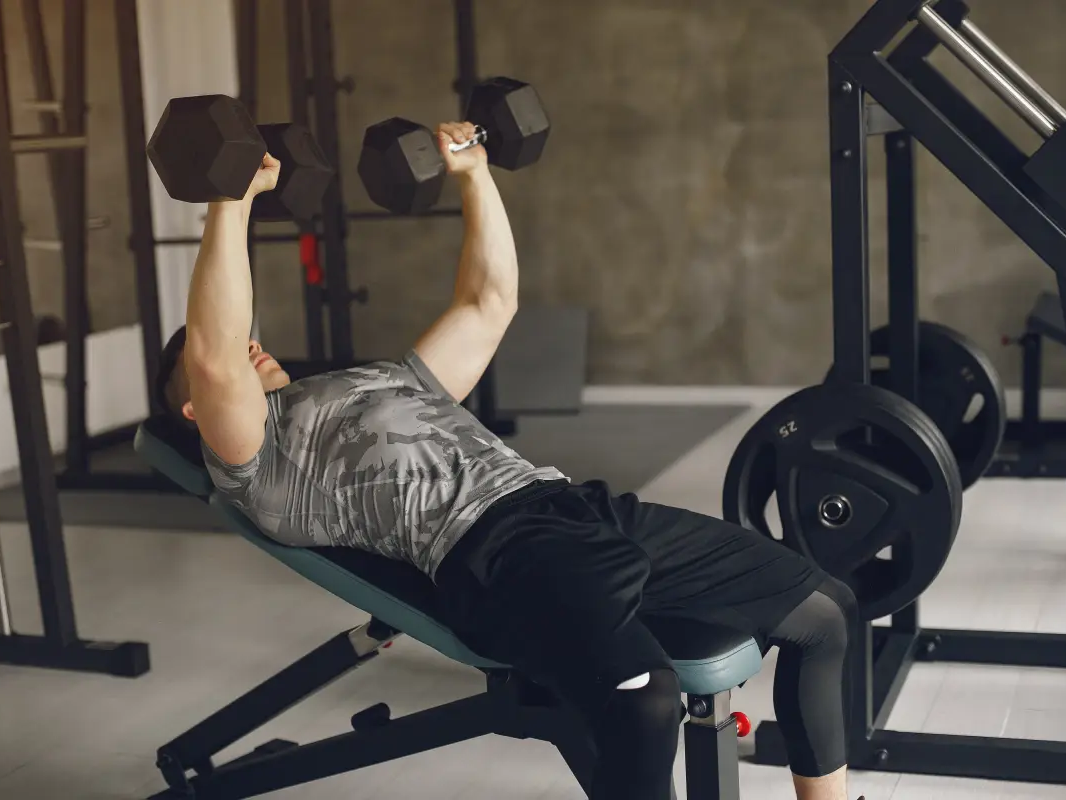
Starting weightlifting can feel intimidating, but it’s one of the most effective ways to get stronger, improve your health, and build confidence. Whether your goal is to gain muscle, tone your body, or boost your overall fitness, learning the basics will set you up for long-term success.

This beginner’s guide will walk you through everything you need to know to start lifting weights safely and effectively.

1. Understand the Benefits of Weightlifting

Weightlifting does more than build muscle. It supports overall health and performance by:

  • Increasing strength and endurance
  • Boosting metabolism and supporting fat loss
  • Improving bone density and posture
  • Enhancing mental focus and confidence

It’s a full-body investment that benefits you in and out of the gym.

2. Start With the Basics

Before you lift heavy, you need to master proper form. Focus on these foundational movement patterns:

  • Squat – Builds strength in your legs and glutes.
  • Deadlift – Trains your entire posterior chain (back, glutes, hamstrings).
  • Press (Overhead or Bench) – Strengthens your shoulders, chest, and triceps.
  • Pull (Rows, Pull-Ups) – Develops your back and biceps.

These compound exercises train multiple muscles at once and create a solid foundation for progress.

3. Begin With Light Weights

Start with lighter weights to focus on form, not load. As a beginner, aim for:

  • 2–3 sets of 8–12 reps per exercise
  • Rest 60–90 seconds between sets
  • Gradually increase weight when you can complete all reps with good form

Avoid ego lifting. Perfecting your technique early prevents injury and leads to faster results later.

4. Warm Up Before You Lift

A good warm-up prepares your body for exercise and reduces the risk of injury.
Try this simple sequence:

  • 5 minutes of light cardio (walking, cycling, or jumping jacks)
  • Dynamic stretches like leg swings, arm circles, and bodyweight squats
  • A few warm-up sets of your first exercise with lighter weights

5. Train Consistently

Consistency is more important than intensity at the start.
Aim to lift 3 times per week, focusing on full-body workouts. Alternate rest days between sessions to allow your muscles to recover and grow.

As you progress, you can split your workouts into upper body, lower body, or push/pull routines.

6. Focus on Proper Recovery

Muscles grow during recovery, not during your workout.
Make sure to:

  • Get 7–9 hours of sleep per night
  • Eat protein-rich meals to support muscle repair
  • Stay hydrated and stretch after training
  • Take at least one full rest day per week

7. Track Your Progress

Keep a simple workout log to track:

  • The exercises you perform
  • Weights lifted
  • Sets and reps completed

Tracking helps you stay motivated and ensures you’re progressively getting stronger over time.

8. Ask for Guidance

If you’re unsure about your form, don’t hesitate to ask a trainer or watch reputable instructional videos. A few sessions with a qualified coach can make a big difference in building confidence and preventing injury.

Final Thoughts

Weightlifting is one of the best investments you can make for your body and mind. Start light, stay consistent, and focus on proper technique. Over time, you’ll notice not just physical changes, but also increased energy, confidence, and resilience.

Remember, everyone starts somewhere. What matters most is showing up, learning, and enjoying the process.