When it comes to strength training, all exercises can generally be divided into two main categories: compound exercises and isolation exercises. Understanding the difference between the two helps you design a balanced, effective workout routine that aligns with your fitness goals — whether it’s building strength, improving athletic performance, or sculpting muscle definition.

What Are Compound Exercises?

Compound exercises are multi-joint movements that engage multiple muscle groups at the same time. These exercises mimic real-life movements and are highly efficient for building strength and coordination.

Examples of compound exercises:

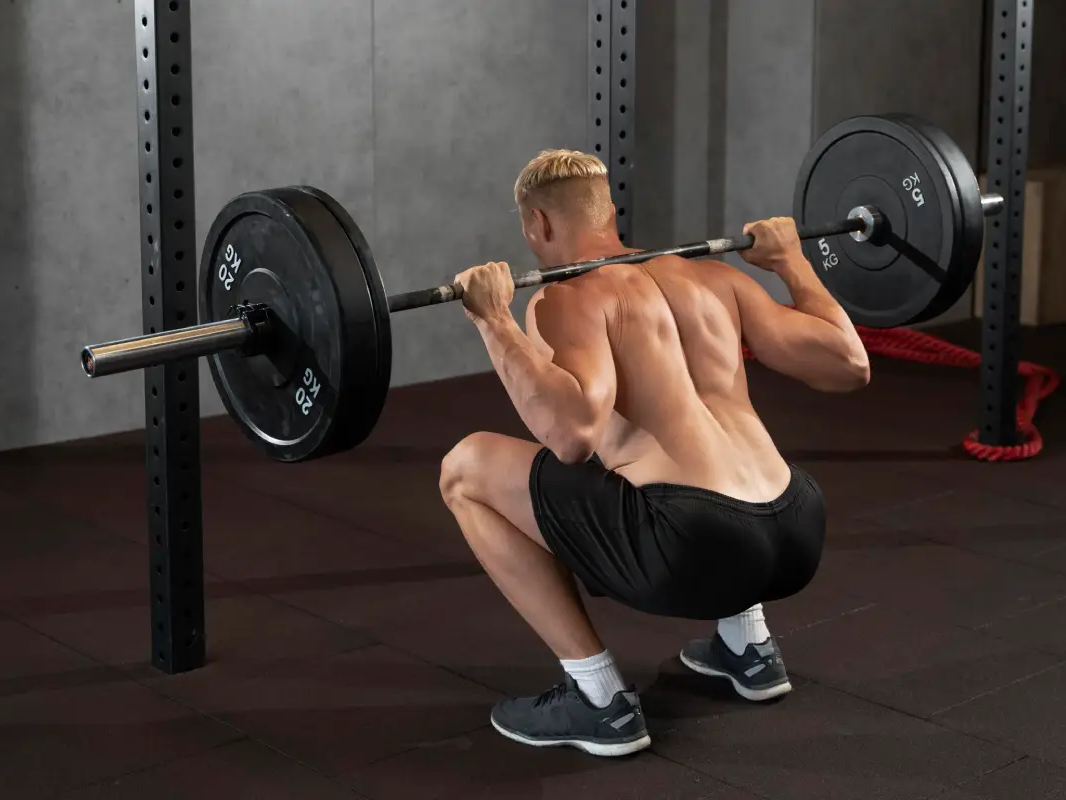
  • Squats (legs, glutes, core)
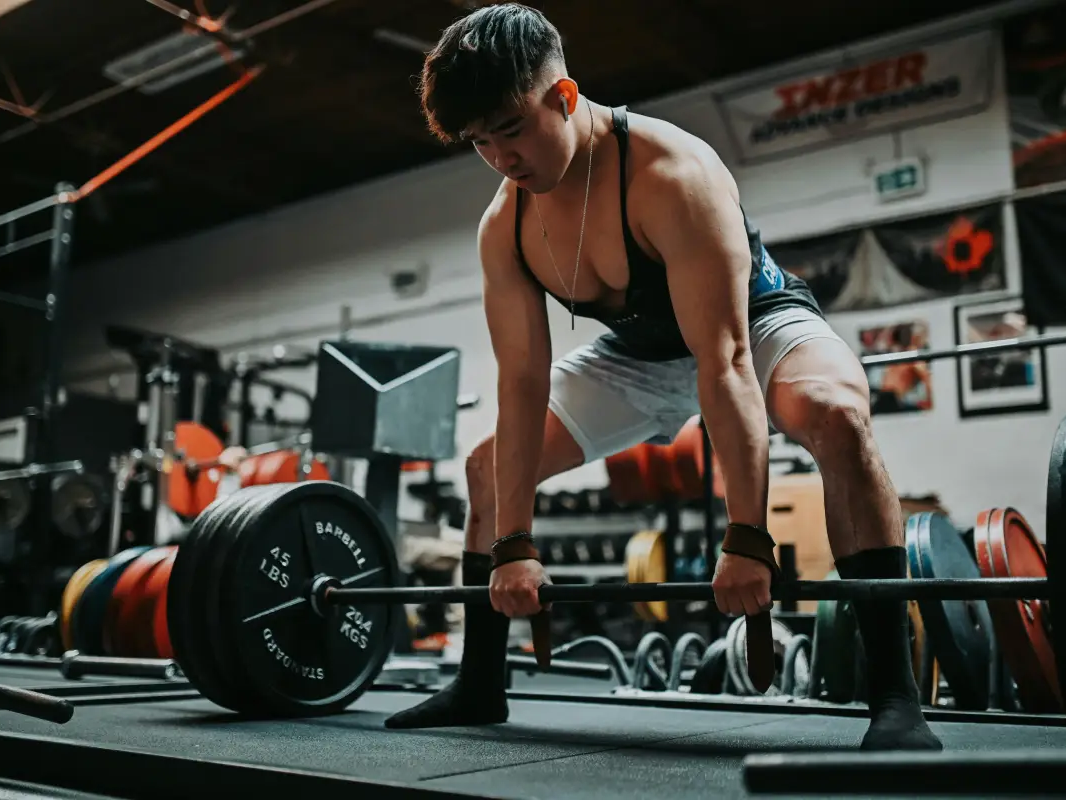
  • Deadlifts (hamstrings, glutes, back)
  • Bench Press (chest, shoulders, triceps)
  • Pull-Ups (back, biceps)
  • Overhead Press (shoulders, triceps, core)
  • Lunges (quads, glutes, calves)

Benefits of compound exercises:

  • Build overall strength and muscle mass
  • Burn more calories due to multi-muscle engagement
  • Improve functional fitness and coordination
  • Enhance hormone response (testosterone and growth hormone)
  • Efficient for full-body training with fewer exercises

In short: Compound movements form the foundation of most strength and athletic programs because they deliver the most results for the time invested.

What Are Isolation Exercises?

Isolation exercises target a single muscle group or joint, allowing you to focus on specific areas of weakness, symmetry, or aesthetics. These are often used for bodybuilding or rehabilitation.

Examples of isolation exercises:

  • Bicep Curls (biceps)
  • Leg Extensions (quads)
  • Lateral Raises (shoulders)
  • Tricep Pushdowns (triceps)
  • Hamstring Curls (hamstrings)
  • Calf Raises (calves)

Benefits of isolation exercises:

  • Great for targeting weak muscles or imbalances
  • Useful for rehabilitation and joint control
  • Ideal for muscle definition and sculpting
  • Allow for precise muscle activation without fatigue from larger movements

In short: Isolation movements are perfect for adding finishing touches to your physique or addressing muscle weaknesses that compound lifts may not fully target.

Key Differences Between Compound and Isolation Exercises

Aspect Compound Exercises Isolation Exercises
Muscles Worked Multiple muscle groups One muscle group
Joints Involved Multi-joint (e.g., knees, hips, shoulders) Single-joint
Example Squat, Bench Press, Deadlift Bicep Curl, Leg Extension
Goal Strength, performance, mass gain Definition, correction, recovery
Time Efficiency More efficient More focused
Best For Building strength & function Targeting and shaping muscles

Which Is Better: Compound or Isolation?

The truth is, both have their place in a well-rounded training program.

  • If your goal is strength or performance, focus on compound exercises like squats, deadlifts, and presses. They engage more muscles and build a solid foundation.
  • If your goal is muscle shaping or rehab, include isolation movements to refine specific muscles or correct imbalances.

A good rule of thumb:
Start your workouts with compound movements (when you’re fresh and can lift heavy), then finish with isolation exercises to fine-tune specific areas.

How to Combine Compound and Isolation Exercises

A balanced workout should include both types of exercises to maximize results.

Example Full-Body Workout:

  1. Barbell Squat (compound)
  2. Bench Press (compound)
  3. Bent-Over Row (compound)
  4. Dumbbell Lateral Raise (isolation)
  5. Tricep Pushdown (isolation)
  6. Bicep Curl (isolation)

This structure ensures you’re building strength while also giving attention to smaller muscle groups for complete development.

Final Thoughts

When comparing compound vs. isolation exercises, remember — it’s not about choosing one over the other, but using both strategically. Compound movements build the foundation of your strength, while isolation exercises refine your physique and correct weaknesses.

Whether you’re a beginner or a seasoned lifter, combining both styles will help you achieve a balanced, strong, and well-defined body.