

The sumo deadlift is one of the most effective compound lifts for developing total-body strength. While it is often compared to the conventional deadlift, the sumo variation uses a much wider stance and a more upright torso, allowing many lifters to produce more power through their legs while placing less stress on the lower back. When performed correctly, it can help increase strength, improve athletic performance, and reduce the risk of injury.
Many people believe that simply widening their stance is enough to perform a proper sumo deadlift. In reality, positioning is what separates an efficient, powerful lift from one that feels awkward or puts unnecessary strain on your body. Every detail matters, from where your feet are placed to how you brace your core and keep the bar moving.
Whether you are new to strength training or looking to refine your technique, understanding proper sumo deadlift positioning will help you lift more efficiently, improve muscle activation, and continue progressing safely.
What Is a Sumo Deadlift?
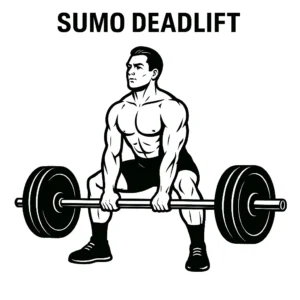
A sumo deadlift is a variation of the traditional deadlift where the lifter stands with a wide stance while gripping the barbell inside the knees. This setup allows the hips to stay closer to the bar and the torso to remain more upright throughout the movement.
Compared to the conventional deadlift, the sumo variation reduces the distance the bar has to travel, making it an attractive option for many powerlifters and strength athletes. However, this does not make it an “easy” version of the deadlift. Instead, it shifts the emphasis to different muscle groups and requires excellent mobility, balance, and technique.
When performed correctly, the sumo deadlift can be an excellent choice for individuals with longer torsos, shorter arms, or those looking to reduce stress on their lower back while still building impressive strength.
How to Improve Your Sumo Deadlift Positioning
Find Your Ideal Stance
Proper positioning begins before the bar even leaves the floor.
Stand with your feet wider than shoulder-width apart while turning your toes outward at approximately 30 to 45 degrees. The exact stance width varies from person to person depending on mobility and body proportions, so avoid copying another lifter’s setup exactly.
Your knees should naturally track over your toes as you lower yourself to the bar. If your knees collapse inward or your hips feel restricted, adjust your stance until you find a position that feels stable and comfortable.
A balanced stance creates a stronger foundation, allowing you to generate maximum force during the lift.
Position the Bar Correctly
The barbell should rest directly above the middle of your feet before you begin the lift.
If the bar starts too far forward, your body will have to reach for it, increasing strain on your lower back. If it starts too close, your balance can be compromised.
Once your feet are positioned correctly, lower your hips while keeping your chest lifted and grip the bar without allowing it to roll away from its starting position.
Starting with the correct bar placement improves leverage and allows for a more efficient pull.
Grip the Bar With Purpose
Your hands should grip the bar just inside your knees.
Whether you choose a double overhand grip, hook grip, or mixed grip depends on your experience level and the amount of weight being lifted. Regardless of your grip style, your arms should remain completely straight throughout the movement.
Avoid pulling with your arms. Instead, think of your arms as strong hooks connecting your body to the barbell.
Before lifting, squeeze the bar firmly to create tension throughout your upper body.
Brace Your Core Before Every Lift
One of the biggest differences between experienced lifters and beginners is proper bracing.
Take a deep breath into your abdomen instead of your chest. Tighten your core as though someone is about to punch you in the stomach.
At the same time, engage your lats by pulling your shoulders down toward your hips. This creates full-body tension and stabilizes your spine before the lift begins.
A properly braced core protects your lower back while allowing you to transfer force more efficiently from your legs to the barbell.
Set Your Hips in the Right Position
Finding the correct hip position is one of the most overlooked aspects of the sumo deadlift.
Your hips should generally sit lower than they would during a conventional deadlift, but not so low that the movement resembles a squat.
Before lifting, pull the slack out of the bar by creating tension through your hips, glutes, and legs. You should feel your body loaded like a spring before initiating the movement.
If your hips shoot upward before the bar leaves the floor, you are losing valuable power and placing unnecessary stress on your lower back.
Drive Through the Floor
Instead of thinking about pulling the bar upward, imagine pushing the floor away with your feet.
This mental cue encourages greater leg drive and allows your quadriceps and glutes to generate more power.
As the bar begins moving, continue driving your knees outward while maintaining a neutral spine.
Avoid jerking the weight off the floor. Smooth, controlled force produces stronger and safer lifts.
Keep the Bar Close Throughout the Lift
An efficient bar path is one of the easiest ways to improve your deadlift.
The bar should remain in contact with or extremely close to your legs from the moment it leaves the floor until you reach full lockout.
Allowing the bar to drift forward increases the amount of work your lower back must perform while reducing overall lifting efficiency.
Keeping the bar close shortens the lever arm and helps you lift heavier weights with better control.
Finish With a Strong Lockout
As the bar reaches the top of the lift, fully extend your hips and knees while standing tall.
Your shoulders should naturally align over your hips without leaning backward.
Many lifters mistakenly overextend their lower back at the top of the movement, believing it creates a stronger finish. Instead, focus on squeezing your glutes to complete the lift.
A proper lockout protects your spine and ensures every repetition is completed safely.
Common Sumo Deadlift Mistakes
Even experienced lifters occasionally develop bad habits that limit performance.
One of the most common mistakes is allowing the hips to rise before the bar moves. This often happens because the lifter has not created enough tension before pulling.
Another frequent issue is rounding the lower back, which increases the risk of injury and reduces power output. Proper core bracing usually corrects this problem.
Some lifters also choose a stance that is either too narrow or too wide. Both extremes reduce stability and make it harder to generate force through the legs.
The bar drifting away from the body is another mistake that reduces efficiency. Keeping the lats engaged throughout the lift helps maintain a straight bar path.
Finally, rushing through the setup often leads to inconsistent technique. Taking a few extra seconds before each repetition to establish proper positioning can significantly improve lifting performance.
Sumo Deadlift Variations
Once you have mastered the standard sumo deadlift, several variations can help improve strength and technique.
The dumbbell sumo deadlift is an excellent choice for beginners because it teaches proper hip movement while improving balance and coordination.
The sumo deadlift high pull adds an explosive upper-body component, making it popular among athletes who want to improve power and conditioning.
Alternating between the sumo deadlift and the conventional deadlift is another effective strategy for building balanced strength across the entire posterior chain.
Each variation offers unique benefits while reinforcing proper movement mechanics.
What Muscles Does the Sumo Deadlift Work?
The sumo deadlift is a full-body exercise that recruits multiple muscle groups simultaneously.
The quadriceps play a significant role in driving the body upward from the floor, while the glutes generate powerful hip extension to complete the lift. The hamstrings assist throughout the movement, working alongside the adductors, which become heavily engaged due to the wider stance.
Your core muscles work continuously to stabilize the spine and maintain posture, while the spinal erectors help keep your back neutral throughout the lift. The latissimus dorsi also plays an important role by keeping the bar close to your body, improving lifting efficiency. Grip strength is developed through the forearms, making the exercise beneficial for overall pulling strength.
Because so many muscles work together, the sumo deadlift is considered one of the best exercises for improving overall functional strength.
Final Thoughts
Perfecting your sumo deadlift positioning is about much more than simply lifting heavier weights. It is about building a strong foundation that allows you to move efficiently, safely, and confidently every time you approach the bar.
By focusing on proper foot placement, maintaining a stable core, setting your hips correctly, and keeping the bar close to your body, you can dramatically improve your lifting performance while reducing unnecessary strain on your joints and lower back.
Remember that great technique is built through consistent practice rather than rushing to lift the heaviest weight possible. Prioritize quality movement, gradually increase the load over time, and continue refining your positioning with every workout.
Master the fundamentals, and your sumo deadlift will become stronger, safer, and far more effective for years to come.
Last Updated on August 4, 2026
Written By

Join thousands of readers leveling up their fitness.
Skip the guesswork—get insights on training, health, and the right gear to support your progress.
You may also like
How To Do A Lat Pulldown Correctly
The lat pulldown is one of the best exercises for building a wider, stronger…
10 Different Types Of Deadlifts And Their Benefits
The deadlift is one of the most powerful compound exercises for building…

How to Strengthen Your Knees for Running
Strong, healthy knees are essential for runners, whether you’re logging miles…

Compound vs. Isolation Exercises: What’s the Difference?
When it comes to strength training, all exercises can generally be divided into…
Back Squat Exercise Guide: How to Master Back Squats
The back squat is one of the most effective strength training exercises for…
10 Medicine Ball Ab Exercises You Need To Try
If you’re tired of traditional crunches and planks, it’s time to add some…