

Well-developed quadriceps are the foundation of a strong lower body. Whether you’re looking to lift heavier weights, run faster, jump higher, or simply move with greater confidence in your daily life, strong quads play a vital role in almost every lower-body movement.
Located at the front of the thigh, the quadriceps consist of four muscles that work together to extend the knee and stabilize the leg during movement. These muscles are heavily involved in walking, climbing stairs, standing up from a chair, sprinting, squatting, and countless athletic activities. Because they generate so much force, developing stronger quadriceps can improve both athletic performance and everyday mobility.
Many people focus only on squats when training their legs, but effective quad development requires more than a single exercise. Incorporating different movement patterns allows you to challenge the muscles from multiple angles, helping stimulate greater strength, muscle growth, and balanced lower-body development.
In this guide, you’ll discover six of the best quad exercises for building strength and mass, learn how each movement works, understand common training mistakes, and find practical tips for designing an effective leg workout.
Why Strong Quadriceps Matter
The quadriceps are one of the largest muscle groups in the human body. They consist of the rectus femoris, vastus lateralis, vastus medialis, and vastus intermedius. Together, these muscles work to straighten the knee while supporting proper movement at the hips and lower body.
Strong quadriceps contribute to much more than muscular legs. They help absorb impact while walking and running, improve balance, support healthy knee function, and generate explosive power during athletic movements.
Individuals with weak quadriceps often experience difficulty with everyday activities such as climbing stairs, standing after prolonged sitting, or maintaining proper posture during exercise. Improving quad strength can make these movements feel easier while reducing unnecessary stress on surrounding joints.
Well-developed quadriceps also create a balanced physique. Combined with strong hamstrings and glutes, they contribute to healthier movement patterns and better overall lower-body performance.
Benefits of Quad-Focused Training
Training your quadriceps consistently provides benefits that extend well beyond aesthetics.
One of the biggest advantages is increased lower-body strength. Nearly every compound lower-body exercise depends on strong quadriceps to produce force. As these muscles become stronger, movements such as squats, lunges, and step-ups become more powerful and efficient.
Quad training also supports healthier knees. Strong muscles surrounding the knee joint improve stability during movement, helping reduce unnecessary stress on ligaments and connective tissue.
Athletes benefit from stronger quadriceps because these muscles contribute to sprinting speed, jumping ability, acceleration, and rapid changes in direction. Even recreational exercisers notice improved endurance during hiking, cycling, and sports.
Another often overlooked benefit is improved functional fitness. Everyday activities such as carrying groceries, climbing stairs, kneeling, or lifting children become easier when your legs are stronger.
Finally, increasing lean muscle mass in the quadriceps can contribute to a higher resting metabolic rate since muscle tissue requires more energy to maintain than body fat.
How to Get the Most from Quad Exercises
Before looking at the best exercises, it’s important to understand that good technique is more valuable than lifting the heaviest weight possible.
Every repetition should be performed with control. Lower the weight deliberately, pause briefly when appropriate, and drive upward with power while maintaining proper posture.
Progressive overload is equally important. Your muscles grow stronger only when they are challenged over time. This can be achieved by gradually increasing weight, repetitions, training volume, or improving exercise quality.
Recovery should never be overlooked. The quadriceps are large muscles that require adequate nutrition, hydration, and rest to fully recover after intense training sessions.
When combined with proper programming, these principles produce better long-term results than simply performing random leg exercises.
1. Barbell Back Squat
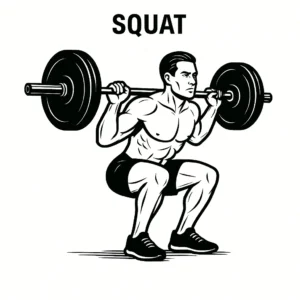
The barbell back squat is widely considered the king of lower-body exercises. It develops exceptional strength while challenging nearly every major muscle below the waist.
Although the movement works the glutes and hamstrings, the quadriceps perform much of the work as you descend into the squat and return to standing.
Position the barbell securely across your upper back and stand with your feet approximately shoulder-width apart. Brace your core before lowering your hips by bending your knees and sitting back into the squat.
Continue lowering until your thighs are parallel to the floor or slightly below, provided you can maintain proper posture throughout the movement.
Drive through your heels to return to standing while keeping your chest lifted and your knees aligned with your toes.
Beginners should prioritize perfect technique before adding significant weight. Mastering movement quality early leads to safer and more effective long-term progress.
2. Front Squat
The front squat shifts the load to the front of your body, naturally encouraging a more upright torso and increasing quadriceps activation.
This variation places less stress on the lower back while demanding greater core stability.
Rest the barbell across the front of your shoulders with your elbows pointing forward. Maintain an upright chest throughout the movement as you squat downward.
Because the torso remains more vertical than during a back squat, many lifters notice increased emphasis on the quadriceps while simultaneously improving posture and mobility.
The front squat is particularly valuable for Olympic lifters, athletes, and anyone seeking stronger, more defined thighs without relying exclusively on machine exercises.
3. Bulgarian Split Squat
Few unilateral exercises challenge the quadriceps as effectively as the Bulgarian split squat.
By training one leg at a time, this movement helps identify and correct strength imbalances while improving coordination, stability, and balance.
Stand several feet in front of a bench and place one foot behind you. Lower your body by bending your front knee while allowing the rear knee to move toward the floor.
Keep your torso upright and your front knee tracking over your toes throughout the exercise.
Push through your front foot to return to standing before repeating all repetitions on the opposite leg.
Although this exercise is demanding, it produces excellent improvements in lower-body strength and muscular development.
4. Leg Press
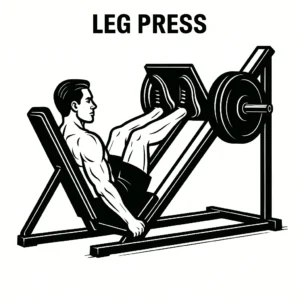
The leg press allows you to train your quadriceps with heavy resistance while providing additional back support.
Because the machine stabilizes your body, you can focus entirely on producing force through your legs without worrying as much about balance.
Place your feet approximately shoulder-width apart on the platform and lower the weight under control until your knees reach roughly a 90-degree angle.
Press the platform away by driving through your heels while avoiding complete knee lockout at the top of each repetition.
The leg press complements free-weight exercises exceptionally well, especially for individuals looking to increase training volume without excessive spinal loading.
5. Step-Ups
Step-ups may look simple, but they are one of the most effective functional quad exercises you can include in your leg workouts. Unlike machine-based movements, step-ups closely mimic everyday actions such as climbing stairs, hiking, and stepping onto elevated surfaces. This makes them valuable not only for building muscle but also for improving balance, coordination, and lower-body stability.
The exercise primarily targets the quadriceps while also engaging the glutes, hamstrings, and core to keep your body stable throughout the movement.
To perform a step-up, stand in front of a sturdy bench or box that allows your knee to bend to roughly 90 degrees when one foot is placed on top. Place your entire foot firmly on the platform before driving through your heel to lift your body upward. Bring your trailing foot onto the platform, then step back down with control.
Avoid pushing off aggressively with the foot remaining on the floor. Instead, focus on generating most of the force from the leg on the platform. This keeps the emphasis on the working quadriceps and prevents momentum from reducing the exercise’s effectiveness.
As your strength improves, increase the challenge by holding a pair of dumbbells or wearing a weighted vest.
6. Walking Lunges
Walking lunges are an excellent exercise for developing powerful quadriceps while simultaneously improving balance, coordination, and lower-body endurance. Because each leg works independently, lunges also help identify and correct strength differences that often develop between the left and right sides of the body.
Begin by standing tall with your feet together. Step forward with one leg and lower your body until both knees are bent to approximately 90 degrees. Your front thigh should be nearly parallel to the floor while your back knee hovers just above the ground.
Push through the heel of your front foot to stand and immediately step forward with the opposite leg, creating a smooth walking motion.
Keep your torso upright throughout the exercise and avoid leaning excessively forward. Your front knee should remain aligned with your toes without collapsing inward.
Walking lunges improve more than muscle size. They also enhance coordination, stability, and athletic performance, making them a valuable addition to nearly every lower-body training program.
Common Mistakes That Limit Quad Growth
Even the best quad exercises will produce limited results if performed with poor technique. Paying attention to proper movement patterns can help you maximize muscle activation while reducing the risk of injury.
One of the most common mistakes is using excessive weight too early. While lifting heavy is important for building strength, adding more weight than you can control often results in shortened range of motion and poor exercise technique. Focus on mastering each movement before increasing resistance.
Another mistake is neglecting full range of motion. Partial repetitions reduce muscle activation and limit long-term development. Lowering through a comfortable but complete range allows your quadriceps to work more effectively during every repetition.
Many people also rush through their sets. Controlling both the lowering and lifting phases increases time under tension, which is an important factor for muscle growth. Slow, deliberate repetitions generally produce better results than relying on momentum.
Skipping warm-ups is another habit that can affect both performance and safety. Spending five to ten minutes preparing your hips, knees, and ankles with light movement and dynamic stretches improves mobility and helps prepare your muscles for heavier lifting.
Finally, avoid training only your quadriceps while neglecting your hamstrings and glutes. Balanced leg development improves movement quality, supports healthy knee function, and reduces the likelihood of muscle imbalances.
How Many Quad Exercises Should You Do?
The ideal number of quad exercises depends on your training experience, overall workout volume, and fitness goals.
For most beginners, two or three quad-focused exercises during a leg workout provide enough stimulus for strength and muscle development while allowing proper recovery.
Intermediate lifters generally benefit from three or four exercises that combine compound movements with more targeted variations. This balance allows you to lift heavier while also focusing on muscle development from different angles.
Advanced lifters often perform four or five exercises during a dedicated leg day, adjusting volume and intensity based on their training program and recovery capacity.
Regardless of experience level, quality matters more than quantity. Performing a few exercises with excellent technique and progressive overload is far more effective than completing numerous movements with poor form.
Most people see the best results by training their quadriceps one to two times per week as part of a balanced lower-body program.
Sample Quad Workout for Strength and Mass
If you’re looking for a complete quad-focused workout, the following routine provides an effective balance of compound and unilateral movements.
Begin with the barbell back squat for 4 sets of 6 to 8 repetitions. This heavy compound movement serves as the primary strength builder for the workout.
Next, perform the front squat for 3 sets of 8 to 10 repetitions. The more upright position increases emphasis on the quadriceps while continuing to develop core strength.
Move on to the Bulgarian split squat, completing 3 sets of 10 repetitions per leg. This helps correct strength imbalances while challenging balance and coordination.
Continue with the leg press for 3 sets of 10 to 12 repetitions. Because the machine provides additional support, it allows you to safely accumulate more training volume.
Finish the workout with step-ups for 3 sets of 12 repetitions per leg and walking lunges for 2 sets of 20 total steps. These exercises reinforce functional strength while creating an excellent finishing stimulus for the quadriceps.
Remember to rest for 60 to 90 seconds between hypertrophy-focused sets and approximately two minutes between heavier compound lifts.
Final Thoughts
Strong quadriceps are essential for building a powerful, balanced lower body. They support everything from athletic performance and heavy lifting to everyday activities like walking, climbing stairs, and standing up with ease. While many people rely solely on squats, combining several well-chosen quad exercises creates a more complete approach to strength and muscle development.
The six exercises in this guide each offer unique benefits. Compound movements such as the barbell back squat and front squat provide the foundation for building strength and mass, while Bulgarian split squats, leg presses, step-ups, and walking lunges improve muscle balance, stability, and functional performance.
Long-term progress comes from more than choosing the right exercises. Consistent training, proper technique, gradual progression, balanced nutrition, and adequate recovery all work together to support muscle growth and improved performance. Rather than chasing heavier weights too quickly, focus on controlled repetitions and excellent form. Over time, these habits will lead to stronger legs, healthier joints, and more sustainable results.
Whether you’re training to improve athletic performance, increase muscle size, or simply develop stronger legs for everyday life, incorporating these quad exercises into your routine will help you build the strength and confidence needed to reach your goals.
Last Updated on August 4, 2026
Written By

Join thousands of readers leveling up their fitness.
Skip the guesswork—get insights on training, health, and the right gear to support your progress.
You may also like
How to Use Resistance Bands Correctly
You do not need a fully equipped gym to get a good workout. A set of resistance…

11 Best Gym Slides in the Philippines
Discover the best gym slides available in the Philippines—ideal for gym…
11 Best Chest Strap Heart Rate Monitors in the Philippines
Chest strap heart rate monitors offer unparalleled accuracy for fitness…
11 Best Knee Sleeves in the Philippines
Knee sleeves are essential for athletes and fitness enthusiasts seeking joint…
11 Best Lifting Straps in the Philippines
Discover the 11 best lifting straps available in the Philippines to boost your…
11 Best Weightlifting Belts in the Philippines
Looking for the best weightlifting belts in the Philippines? This guide…