

Walking into a gym for the first time can be intimidating. There are barbells, dumbbells, machines, cables, benches, and people who seem to know exactly what they are doing. If you are new to strength training, it is easy to feel like everyone else understands something you have not figured out yet.
The reality is much simpler.
Every experienced lifter started somewhere. Before they were comfortable with a barbell or knew how to structure a workout, they had to learn the basics too. You do not need to know every exercise, lift heavy weights, or follow an advanced training program to get started.
You simply need a sensible starting point.
Lifting weights can help you become stronger, build muscle, improve physical performance, and develop greater confidence in your body. It can also become an important part of a long-term approach to staying active and maintaining physical function as you get older.
The key is learning how to lift weights properly from the beginning. Good technique gives you a foundation you can build on as your strength improves. It also makes training more productive because you learn to control the movements instead of relying on momentum or simply trying to move the heaviest weight possible.
This beginner’s guide explains how to start lifting weights, what exercises to learn first, how often to train, how much weight to use, and what to do outside the gym to support your progress.
You do not need a complicated program. You need a routine you understand, can perform safely, and can follow consistently.
Table of Contents
ToggleWhy Start Lifting Weights?
Weight training is often associated with building large muscles, but its benefits extend well beyond appearance.
Resistance training challenges your muscles to produce force against an external load. Over time, your body adapts to that demand, allowing you to become stronger and more capable.
One of the most obvious benefits is improved strength. Everyday activities such as carrying groceries, climbing stairs, moving furniture, lifting a suitcase, or getting up from a chair all require some degree of muscular strength. Becoming stronger in the gym can make these tasks feel easier outside it.
Lifting weights can also support muscle development. When resistance training is combined with appropriate nutrition and recovery, it provides the stimulus your muscles need to adapt and grow.
There are benefits beyond muscle as well. Regular resistance training can support bone health, physical function, posture, balance, and overall fitness. It can also give you a greater sense of confidence as you see yourself gradually handle exercises that once felt difficult.
For someone who is completely new to exercise, these improvements can happen relatively quickly. Early progress is not always about dramatically changing your appearance. You may first notice that your movements feel more controlled, your weights increase, or exercises that once left you exhausted become easier.
Those improvements matter.
They are evidence that your body is adapting to the work you are asking it to perform.
Start With the Fundamentals
One of the biggest mistakes beginners make is trying to learn too many exercises at once.
You do not need a workout containing 15 different movements. In fact, learning a smaller number of exercises properly is often a much better starting point.
Most effective beginner programs are built around a handful of basic movement patterns. These include squatting, hinging, pushing, and pulling. Learning these patterns gives you a foundation that can later be applied to dozens of different exercises.
The Squat
Squatting involves bending at the hips and knees while keeping your body controlled. The movement primarily trains the legs and glutes while also requiring your core to stabilize your torso.
A bodyweight squat is an excellent place to start because you can practice your stance, balance, depth, and control without worrying about an external load.
Once you become comfortable, you can progress to movements such as goblet squats, dumbbell squats, or eventually barbell variations.
The Hip Hinge
The hip hinge teaches you how to move from your hips while keeping your torso controlled. It forms the foundation of exercises such as deadlifts and Romanian deadlifts.
Learning this pattern is particularly important because it teaches you how to pick something up from the floor without simply rounding your back and pulling with your arms.
A good beginner can practice the hip hinge with bodyweight or a light resistance before progressing to loaded exercises.
The Push
Pushing exercises train the muscles responsible for moving resistance away from your body.
Examples include push-ups, dumbbell bench presses, machine chest presses, and overhead presses.
These movements can target the chest, shoulders, and triceps depending on the exercise.
You do not need to begin with a barbell. Dumbbells and machines can often be easier to control while you are learning the movement.
The Pull
Pulling exercises involve bringing resistance toward your body. Rows, pulldowns, and assisted pull-ups are common examples.
These movements train the muscles of the upper back and also involve the biceps and other supporting muscles.
Learning both pushing and pulling movements is important because a balanced training program should develop the muscles on both sides of the upper body.
Warm Up Before Lifting
A warm-up does not need to be complicated, but it should prepare you for the movements you are about to perform.
If you are coming straight from sitting at a desk or spending most of the day inactive, begin with a few minutes of light activity. Walking, cycling, or another easy form of cardio can raise your body temperature and get you moving.
You can then perform a few dynamic movements relevant to your workout. Bodyweight squats can prepare you for lower-body training, while arm circles and light band movements can help prepare the shoulders and upper back before an upper-body session.
Your first exercise should also include warm-up sets when appropriate.
For example, if your workout begins with a dumbbell squat, start with bodyweight repetitions or a very light dumbbell before moving to your working weight.
The purpose of the warm-up is not to exhaust yourself.
You should finish feeling more prepared, not tired.
How to Lift Weights Properly
Knowing what exercise to perform is only part of learning how to lift weights. You also need to understand how to control the resistance.
As a beginner, your first priority should be technique rather than the amount of weight on the bar.
A good repetition should look similar from beginning to end. You should be able to control the weight during both the lifting and lowering portions of the exercise. If you need to swing your body, shorten the movement dramatically, or change your posture to complete the final repetitions, the weight is probably too heavy.
This does not mean every repetition has to be effortless. Training should challenge you. The difference is that productive difficulty comes from your muscles working hard, not from losing control of your body.
Pay attention to your breathing as well. In many exercises, you can breathe in during the easier or lowering portion of the movement and breathe out as you complete the more demanding portion. For heavier compound movements, more specific breathing and bracing techniques may be appropriate as you gain experience.
For now, focus on staying controlled, maintaining a stable position, and learning what each exercise is supposed to feel like.
How Much Weight Should a Beginner Lift?
There is no single weight that every beginner should use.
Your appropriate starting weight depends on your current strength, the exercise, your experience, and your ability to maintain good form.
A useful approach is to begin lighter than you think you need. Perform several controlled repetitions and assess how the movement feels. If the exercise feels unstable or your technique starts breaking down quickly, reduce the weight.
If you can complete your target repetitions easily while maintaining excellent form, you can gradually increase the resistance.
For many beginners, two or three sets of approximately eight to twelve repetitions per exercise is a practical starting point. However, this should not be treated as a rigid rule. Some exercises are better suited to different repetition ranges, and your program may call for something different.
The important principle is progressive overload.
As you become stronger, you need to gradually increase the challenge placed on your muscles. That might mean adding a small amount of weight, completing another repetition, performing an additional set, or improving the quality and control of your existing repetitions.
Progress does not have to happen every workout.
What matters is that your training gradually becomes more challenging over time.
Why You Should Not Chase Heavy Weights Too Soon
It is tempting to compare yourself with other people in the gym. Someone nearby may be lifting much heavier dumbbells or loading several plates onto a barbell, and you may feel that you should be doing the same.
Do not.
Strength is highly individual, and comparing your current ability to someone else’s tells you very little about your own progress.
Lifting a weight that is too heavy can force you to compensate with poor technique. You may lean, swing, rush repetitions, or use other parts of your body to help complete the movement.
That can make it harder to learn the correct mechanics and may increase the likelihood of aggravating an existing weakness or injury.
Your goal as a beginner is not to impress anyone.
Your goal is to become better than you were a few weeks ago.
A dumbbell that feels light today may become challenging after several controlled sets. Over time, that same weight will eventually become easier. That is when you increase the resistance and continue building from there.
How Often Should You Lift Weights?
Beginners often assume that training more frequently will produce faster results. In reality, your muscles need time to recover and adapt between demanding workouts.
For many people starting weight training, three full-body workouts per week is a practical schedule.
You could train on Monday, Wednesday, and Friday, giving yourself a rest day between sessions. This provides enough opportunities to practice the basic movements while leaving time for recovery.
You do not have to train every day to make progress.
As you become more experienced, you may eventually move to a different structure. Some people divide their workouts into upper-body and lower-body sessions, while others use push, pull, and leg routines.
But there is no reason to rush into an advanced split simply because you see experienced lifters using one.
The best beginner routine is the one that allows you to practice consistently without overwhelming your schedule or recovery capacity.
A Simple Beginner Weight Training Routine
A beginner does not need a complicated program to get stronger.
A basic full-body session can include one squat pattern, one hip-hinge movement, one pushing exercise, and one pulling exercise. You can then add a simple core exercise if appropriate.
For example, a session might include a goblet squat, dumbbell Romanian deadlift, dumbbell bench press, seated cable row, and a basic plank.
The exact exercises can change depending on the equipment available and your comfort level.
The important part is that the routine trains the major movement patterns without creating unnecessary complexity.
Performing the same basic routine consistently also makes progress easier to measure. You can see whether your repetitions are increasing, whether your technique is improving, and whether you are gradually able to use more resistance.
A beginner does not need constant exercise variety.
Consistency provides something that novelty cannot: a clear record of improvement.
Recovery Is Part of Your Training
One of the most important lessons for anyone learning how to lift weights is that the workout itself is only one part of the process.
Your body needs time to recover from training.
During a resistance workout, your muscles are exposed to a physical stress they must adapt to. Recovery gives your body the opportunity to repair and become better prepared for the next session.
Sleep is especially important. Aim for approximately seven to nine hours when possible, although individual needs vary.
Nutrition matters too. Your body needs enough energy and protein to support recovery and adaptation. Rather than obsessing over individual foods, focus on building meals around nutritious protein sources, vegetables and fruits, whole grains or other carbohydrate sources, and healthy fats.
Hydration should also be part of your routine, particularly if you train in a hot environment or sweat heavily.
Rest days are not wasted days.
They are part of the program.
If you train hard every day without giving your body enough time to recover, you may eventually notice declining performance, persistent soreness, or a lack of motivation.
Training should challenge you, but it should also be sustainable.
How to Track Your Progress
One of the simplest ways to stay motivated when you start lifting weights is to keep a workout log.
You do not need an elaborate spreadsheet.
Record the exercise, the weight used, the number of sets, and the repetitions you completed. Over time, this information becomes a useful record of your progress.
For example, you might start with three sets of ten repetitions using a particular dumbbell. Several weeks later, you may be able to perform the same number of repetitions with a heavier weight.
That is measurable progress.
You can also track improvements that are not directly related to weight. Perhaps your squat depth has improved, your balance is better, or an exercise that once felt awkward now feels natural.
These changes matter too.
Strength training is a long-term process, and progress is not always obvious when you look at yourself from one day to the next. A training log gives you something concrete to look back on.
How to Lift Weights to Lose Weight
If your goal is weight loss, lifting weights can be an important part of your overall exercise plan.
Resistance training helps you build and maintain muscle while you work toward reducing body fat. However, lifting weights alone does not guarantee weight loss.
Changes in body weight are influenced by your overall energy intake and expenditure, along with many other factors.
For someone trying to lose weight, strength training can help preserve muscle while dietary changes create the conditions needed for fat loss.
The goal should not be to turn every weight-training session into a cardio workout. Focus on performing your exercises properly and progressively building strength.
You can combine resistance training with walking, cycling, running, or other forms of cardiovascular activity based on your fitness level and preferences.
A sustainable approach is usually more effective than trying to lose weight as quickly as possible.
Free Weight Exercises vs. Machines
Beginners often wonder whether they should use free weights or gym machines.
Both can be useful.
Free weight exercises, such as dumbbell squats, dumbbell presses, and dumbbell rows, require you to control the resistance through space. This can develop coordination and stability while allowing you to train a wide range of movements.
Machines, on the other hand, provide more external support and can make certain exercises easier to learn. They can also be useful when you want to target a particular muscle without having to focus as heavily on balance.
There is no requirement to choose one exclusively.
A beginner program can include both.
If a machine allows you to learn a movement confidently, use it. If a dumbbell exercise feels natural and comfortable, use that instead.
The best equipment is the equipment that allows you to train effectively and consistently.
When Should You Increase the Weight?
Knowing when to add resistance can feel confusing when you are new.
A simple approach is to increase the weight when you can consistently complete your planned repetitions with strong technique and still feel that you have some capacity left.
For example, if your program calls for eight to twelve repetitions and you can comfortably perform twelve repetitions across all your sets without your form deteriorating, you may be ready for a small increase.
The increase does not have to be dramatic.
A small jump in resistance can be enough to make the exercise challenging again.
After increasing the weight, it is normal for your repetitions to drop temporarily. You can then build them back up over the following sessions.
This cycle of gradually increasing the challenge is one of the foundations of effective weight training.
When to Ask for Help
There is nothing wrong with asking for assistance when you are learning.
If you are unsure how to set up an exercise, how to adjust a machine, or whether your technique is correct, ask a qualified trainer or knowledgeable gym professional.
A few coaching sessions can sometimes save you months of uncertainty.
You can also use reputable instructional resources to learn the basic movement patterns before attempting them with significant resistance.
If you have an existing injury, persistent pain, or a medical condition that affects exercise, seek appropriate professional guidance before beginning or significantly changing your training program.
Knowing when to ask for help is not a sign that you are inexperienced.
It is part of learning how to train responsibly.
Common Beginner Mistakes
Starting a new training routine comes with a learning curve. Making mistakes is normal, but some are worth avoiding.
The first is trying to do too much too soon. Training harder than your body is prepared for can leave you excessively sore and make it difficult to return for your next workout.
Another mistake is constantly changing exercises. It is easy to become distracted by new workouts online, but changing your routine every week makes it difficult to know whether you are actually improving.
Some beginners also spend too much time worrying about the perfect program. There is no perfect routine that guarantees results. A simple program performed consistently will generally be more useful than an advanced program you cannot maintain.
Poor technique is another issue. Do not be afraid to reduce the weight while you learn an exercise.
Finally, do not ignore recovery. More training is not always better training.
Final Thoughts
Learning how to lift weights does not have to be complicated.
You do not need an advanced workout split, expensive equipment, or the ability to lift heavy weights on your first day. What you need is a willingness to learn the fundamentals and a routine you can realistically maintain.
Start with basic movement patterns. Learn how to squat, hinge, push, and pull. Use light enough resistance that you can concentrate on technique. Once your movements become more comfortable, gradually increase the challenge.
Give your body time to recover. Eat enough nutritious food to support your training. Get adequate sleep. Keep track of your workouts so you can see the progress that may otherwise be easy to miss.
Most importantly, do not compare your beginning to someone else’s middle.
Strength training is a skill that develops with practice. The first few workouts may feel unfamiliar. Exercises that seem awkward at first will become more natural. Weights that once felt heavy will eventually become manageable.
That is the process.
You are not trying to become an experienced lifter overnight. You are building the habits, movement skills, and strength that will allow you to keep improving months and years from now.
Start with what you can control, focus on proper technique, and let your progress build gradually. With consistency and patience, lifting weights can become one of the most valuable parts of your fitness routine.
Last Updated on September 3, 2026
Written By

At Ironclad Fitness, we cut through the noise with expert-backed, no-nonsense advice on training, nutrition, and gear. Our team stays ahead with research, real-world experience, and insights from industry professionals. We prioritize accuracy, transparency, and actionable guidance to help you get stronger every day.
Join thousands of readers leveling up their fitness.
Skip the guesswork—get insights on training, health, and the right gear to support your progress.
You may also like
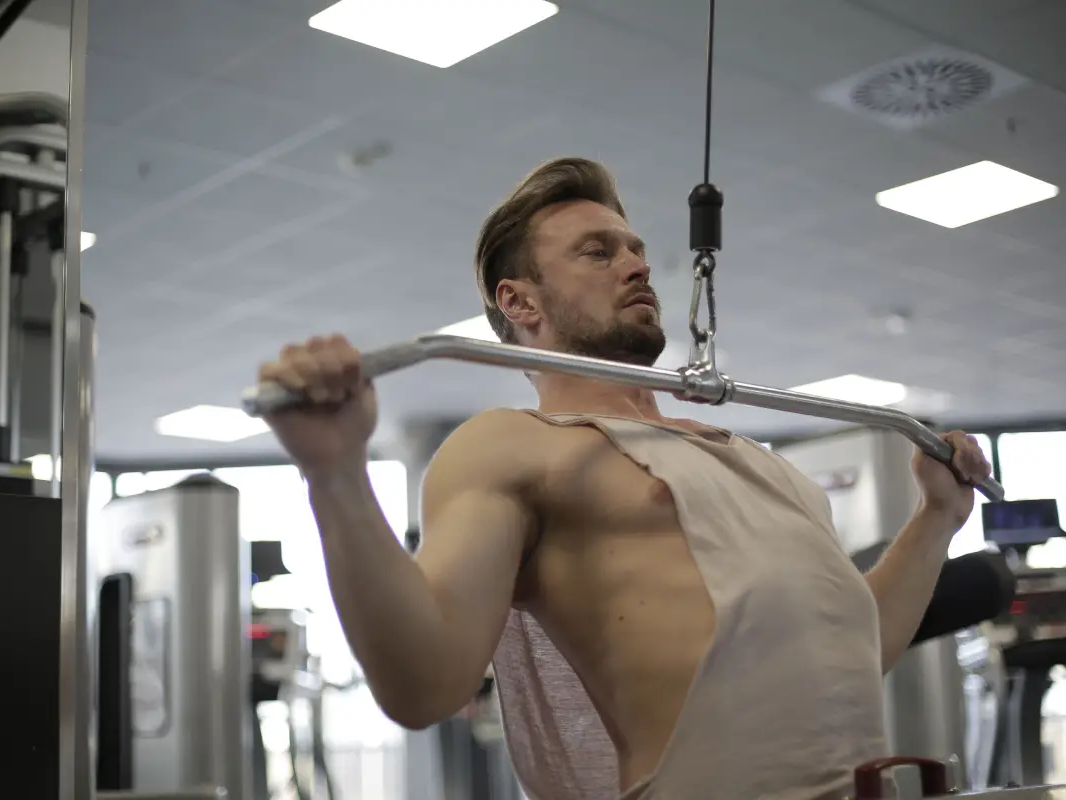
How To Do A Lat Pulldown Correctly
The lat pulldown is one of the best exercises for building a wider, stronger…
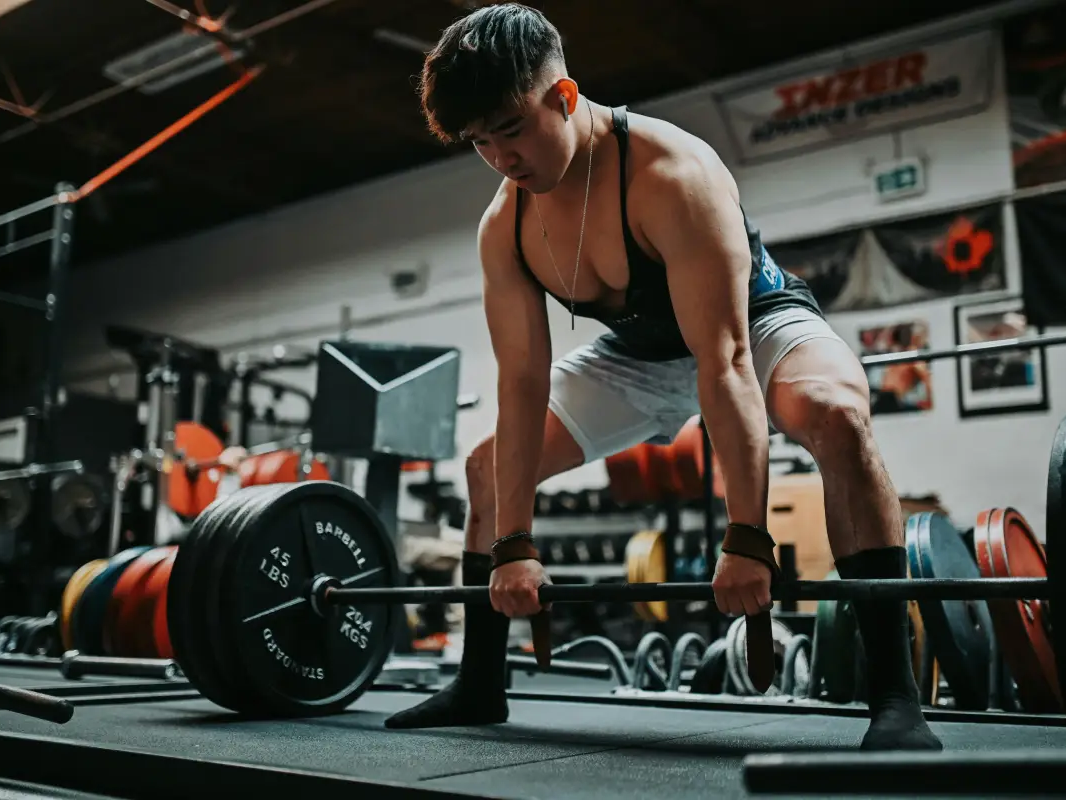
10 Different Types Of Deadlifts And Their Benefits
The deadlift is one of the most powerful compound exercises for building…

How to Strengthen Your Knees for Running
Strong, healthy knees are essential for runners, whether you’re logging miles…
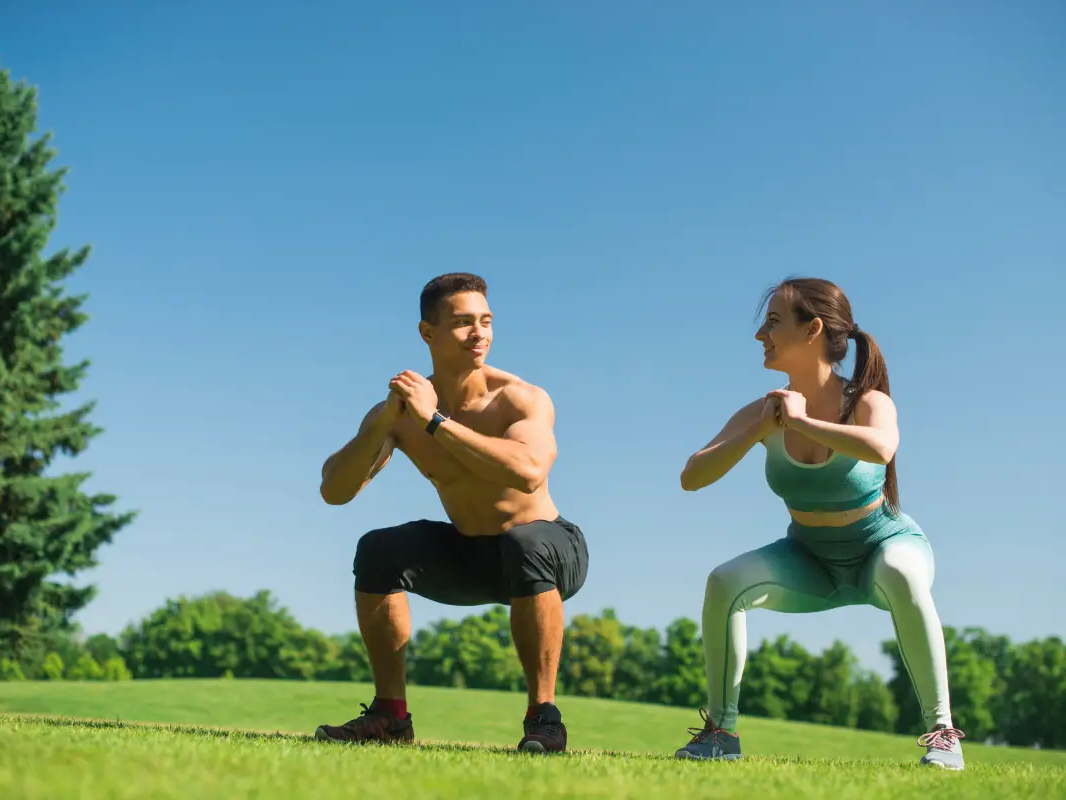
Compound vs. Isolation Exercises: What’s the Difference?
When it comes to strength training, all exercises can generally be divided into…
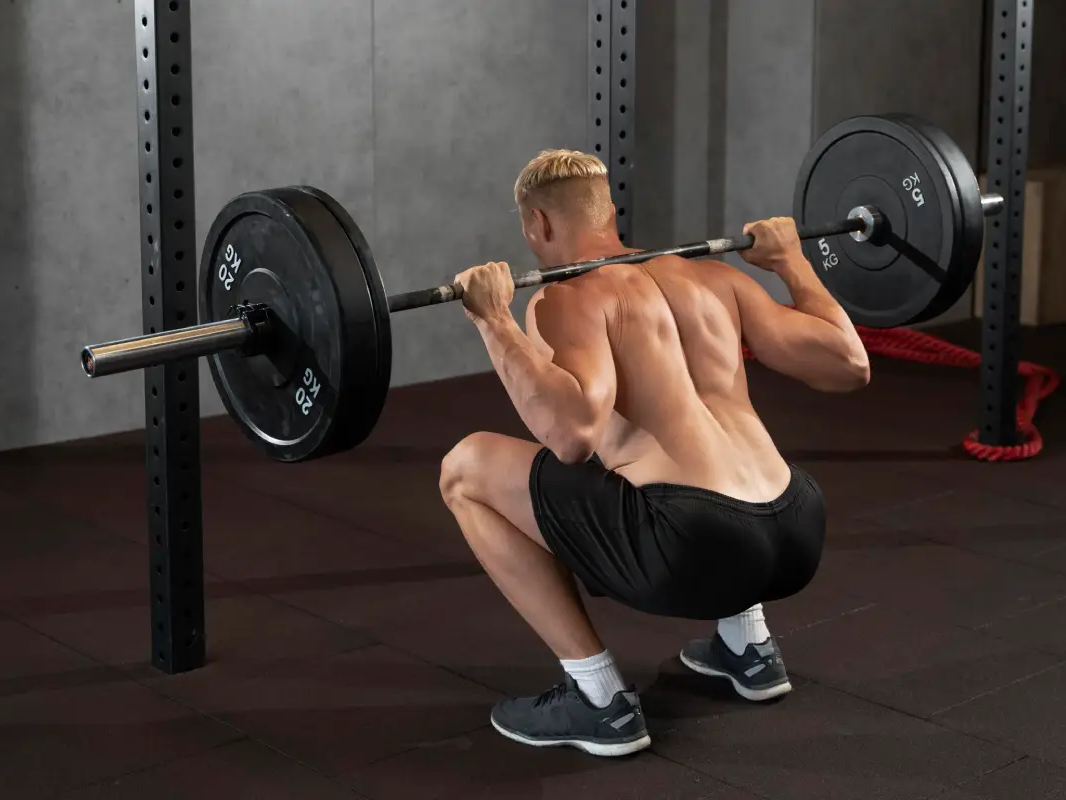
Back Squat Exercise Guide: How to Master Back Squats
The back squat is one of the most effective strength training exercises for…
10 Medicine Ball Ab Exercises You Need To Try
If you’re tired of traditional crunches and planks, it’s time to add some…