

Face pulls are one of the most underrated exercises you can include in an upper-body workout. While many gym-goers focus on pressing movements such as the bench press or shoulder press, they often neglect the muscles responsible for healthy shoulders and good posture. Over time, this imbalance can lead to rounded shoulders, poor movement mechanics, and an increased risk of injury.
Adding face pulls to your training routine helps address these issues by strengthening the muscles on the back of your shoulders and upper back. Although the exercise is commonly used by athletes and experienced lifters, it is equally valuable for beginners, office workers, and anyone who spends long hours sitting at a desk.
One of the biggest reasons people struggle with face pulls is that they perform the movement incorrectly. Using too much weight, pulling with the arms instead of the shoulders, or allowing momentum to take over can make the exercise feel ineffective. When performed correctly, however, face pulls create a strong contraction in the rear shoulders and upper back while improving shoulder stability and posture.
Whether your goal is to build muscle, prevent shoulder injuries, improve posture, or increase upper-body performance, learning proper face pull technique is well worth your time.
In this guide, you’ll learn exactly how to perform face pulls correctly, which muscles they target, common mistakes to avoid, and how to include them in your training program for the best possible results.
What Are Face Pulls?
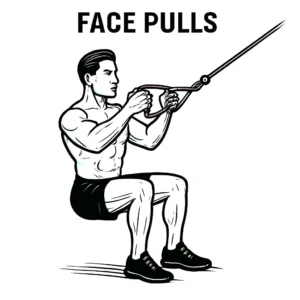
Face pulls are a cable or resistance band exercise designed to strengthen the muscles of the upper back and shoulders. Unlike many pulling exercises that primarily target the lats or biceps, face pulls emphasize the rear deltoids, trapezius, rhomboids, and rotator cuff muscles.
The movement is performed by pulling a rope attachment toward your face while keeping your elbows high and allowing your shoulder blades to move naturally. Although the motion appears simple, it requires coordination, control, and proper shoulder mechanics to be effective.
What makes face pulls unique is their focus on muscles that are often undertrained. Many traditional gym routines emphasize pushing exercises, which develop the chest and front shoulders. Without enough pulling movements to balance them, these muscles can become dominant, contributing to poor posture and shoulder discomfort.
Face pulls help restore this balance by strengthening the muscles responsible for retracting the shoulder blades and externally rotating the shoulders. This makes them one of the most valuable accessory exercises for maintaining long-term shoulder health.
How to Do Face Pulls Correctly
Although face pulls appear straightforward, small details in your technique make a significant difference in muscle activation.
Begin by attaching a rope handle to a cable machine positioned at approximately upper chest or face height. Select a light to moderate weight that allows you to perform every repetition with complete control. Unlike heavy compound lifts, face pulls are most effective when technique takes priority over resistance.
Stand facing the cable machine and grasp the rope using a neutral grip with your palms facing one another. Take a few small steps backward until the cable becomes taut. Position your feet approximately shoulder-width apart and soften your knees slightly to create a stable base.
Before beginning the movement, brace your core and keep your chest lifted. Allow your shoulders to remain relaxed rather than shrugging them upward.
Initiate the pull by driving your elbows backward rather than simply pulling with your hands. As the rope approaches your face, separate the ends of the rope so your hands finish beside your ears. Focus on squeezing your shoulder blades together while maintaining an upright posture.
Pause briefly at the end of the movement to maximize muscle contraction before slowly extending your arms back to the starting position. Resist the temptation to let the weight stack pull your arms forward. Controlling the lowering phase is just as important as the pull itself.
Throughout every repetition, keep your movements smooth and controlled. If you find yourself leaning backward or using momentum to complete the exercise, reduce the weight immediately.
Face Pulls Muscles Worked
Although face pulls are often viewed as a shoulder exercise, they actually recruit several important muscles throughout the upper body.
Rear Deltoids
The rear deltoids are the primary muscles targeted during face pulls. Located on the back of the shoulders, these muscles help pull the arms backward while contributing to overall shoulder stability.
Many lifters undertrain their rear deltoids because most pressing exercises emphasize the front of the shoulders instead. Face pulls help correct this imbalance while improving shoulder development from every angle.
Trapezius
The upper and middle portions of the trapezius play a significant role during face pulls by retracting and stabilizing the shoulder blades. Strengthening these muscles improves posture and supports healthy shoulder movement during other upper-body exercises.
Rhomboids
Located between the shoulder blades, the rhomboids assist with scapular retraction and help maintain proper posture. Strong rhomboids reduce the tendency for the shoulders to round forward, especially for people who spend much of the day sitting.
Rotator Cuff
The rotator cuff consists of four small muscles that stabilize the shoulder joint throughout movement. Face pulls strengthen these muscles through external rotation, making the exercise particularly valuable for shoulder health and injury prevention.
Biceps and Forearms
Although they are not the primary focus, the biceps and forearms assist during the pulling phase by helping flex the elbows and maintain a secure grip on the rope attachment.
Together, these muscles create an exercise that not only improves upper-body strength but also enhances movement quality and long-term shoulder function.
Benefits of Face Pulls
Face pulls are often viewed as an accessory exercise, but their impact on shoulder health and upper-body performance is anything but minor. Whether your goal is to build muscle, improve posture, or reduce your risk of injury, this exercise deserves a permanent place in your training program.
One of the biggest benefits of face pulls is their ability to improve posture. Many people spend hours each day sitting at a desk, driving, or looking down at their phones. These habits encourage the shoulders to roll forward and the upper back to round, creating muscular imbalances over time. Face pulls strengthen the muscles responsible for pulling the shoulders back into proper alignment, helping you stand taller and move more naturally.
The exercise also plays an important role in shoulder health. The shoulder is one of the body’s most mobile joints, but that mobility also makes it vulnerable to injury. Strengthening the rotator cuff and the muscles surrounding the shoulder blades improves joint stability, allowing the shoulders to move more efficiently during pressing, pulling, and overhead exercises.
Face pulls can also improve your performance in other lifts. Stronger rear deltoids, rhomboids, and trapezius muscles provide a more stable base during movements such as the bench press, overhead press, pull-ups, and rows. When your upper back is stronger, you are better able to control heavier loads while maintaining proper technique.
Another advantage is balanced muscle development. Many training programs place a heavy emphasis on the chest and front shoulders through exercises such as push-ups, bench presses, and shoulder presses. Without enough pulling exercises, the front of the body can become disproportionately stronger than the back. Face pulls help restore that balance, creating a more symmetrical physique and healthier movement patterns.
Perhaps most importantly, face pulls are suitable for almost everyone. Whether you are new to strength training, an experienced lifter, or someone recovering from minor postural issues, the movement can be adjusted to match your ability by simply modifying the resistance.
When Should You Do Face Pulls?
Face pulls are incredibly versatile and can fit into almost any training program.
Many lifters perform them near the end of an upper-body workout after completing heavier compound exercises such as bench presses, rows, or overhead presses. At this point, the larger muscle groups have already been trained, allowing face pulls to isolate the rear shoulders and upper back without affecting performance on primary lifts.
Others prefer using face pulls during their warm-up. Performing a few light sets before pressing exercises helps activate the rotator cuff and upper back muscles, improving shoulder stability before heavier lifting begins.
Face pulls also work exceptionally well on pull days alongside exercises such as pull-ups, seated rows, and lat pulldowns. Including them in these sessions helps create balanced shoulder development while improving posture.
If shoulder health is your primary concern, face pulls can even be performed several times each week using lighter resistance. Because they place relatively little stress on the joints, they recover more quickly than many heavy compound exercises.
Expert Tips to Actually Feel Face Pulls
Many people perform face pulls regularly without ever feeling their rear deltoids working. Fortunately, a few simple adjustments can dramatically improve muscle activation.
Instead of thinking about pulling the rope with your hands, imagine driving your elbows backward. This cue naturally shifts more of the workload onto the rear shoulders and upper back.
Pause briefly at the end of every repetition while consciously squeezing your shoulder blades together. Even a one-second pause increases muscle engagement and prevents you from relying on momentum.
Maintain a slow tempo throughout the exercise. Lower the weight under control rather than allowing the cable to pull your arms forward. The controlled lowering phase contributes just as much to muscle development as the pulling phase.
Finally, leave your ego behind. Face pulls are not designed to be a heavy lifting exercise. Using a lighter weight with excellent technique will almost always produce better results than struggling through heavy repetitions with poor form.
Face Pull Alternatives
While face pulls are one of the best exercises for strengthening the rear shoulders and improving shoulder health, they are not your only option. If you do not have access to a cable machine or simply want to add variety to your workouts, several exercises target the same muscle groups while providing similar benefits.
One of the most effective alternatives is the band pull-apart. This simple movement requires only a resistance band and can be performed almost anywhere. Holding the band at shoulder height and pulling it apart until your arms extend to each side activates the rear deltoids, rhomboids, and middle trapezius. Because it uses light resistance, it is also an excellent exercise for warming up before upper-body workouts.
Another excellent option is the reverse dumbbell fly. This exercise isolates the rear deltoids while strengthening the muscles that stabilize the shoulder blades. Performed on an incline bench or with a bent-over position, reverse flies encourage strict movement and help develop balanced shoulder muscles. Using lighter weights and focusing on controlled repetitions is more effective than lifting heavy dumbbells with momentum.
The rear delt machine fly is another gym favorite. Since the machine supports your body throughout the movement, it allows you to focus entirely on squeezing the rear shoulders without worrying about balance. Many bodybuilders use this exercise after compound pulling movements to fully fatigue the rear deltoids.
For those who enjoy free-weight training, the wide-grip seated row provides another excellent alternative. Pulling the handle toward your upper chest while keeping your elbows high increases activation of the upper back and rear shoulders. Although it recruits more muscles than a traditional face pull, it still contributes to healthier shoulders and improved posture.
These exercises should not necessarily replace face pulls altogether. Instead, they can complement them by providing slightly different movement patterns and keeping your training routine fresh and engaging.
Common Face Pull Mistakes
Although face pulls are relatively simple to learn, small mistakes can dramatically reduce their effectiveness. Correcting these errors allows you to activate the intended muscles while avoiding unnecessary strain on your shoulders.
One of the most common mistakes is selecting too much weight. Face pulls are not an exercise where lifting heavier is always better. Excessive weight often causes people to lean backward, use momentum, or shorten the range of motion. Instead, choose a resistance that allows you to perform slow, controlled repetitions while maintaining excellent technique.
Another mistake is pulling the rope toward your chest instead of your face. Doing so changes the movement pattern and shifts much of the work away from the rear deltoids. Your hands should finish beside your ears with your elbows remaining high throughout the movement.
Many people also forget to separate the rope as they pull. Allowing the rope handles to stay together reduces external shoulder rotation, one of the most valuable components of the exercise. As the rope approaches your face, actively pull the handles apart while squeezing your shoulder blades together.
Poor posture is another issue. Leaning excessively backward or allowing your lower back to arch changes the mechanics of the exercise. Stand tall with your core engaged and let your shoulders perform the work rather than relying on body momentum.
Finally, avoid rushing through your repetitions. Face pulls are designed to improve muscle control as much as strength. Slowing down both the pulling and lowering phases increases muscle activation and helps establish a stronger mind-muscle connection.
Final Thoughts
Face pulls may not receive the same attention as exercises like the bench press or pull-up, but they are one of the most valuable movements you can include in an upper-body training program. Their ability to strengthen the rear deltoids, improve posture, enhance shoulder stability, and support healthier movement patterns makes them beneficial for nearly everyone, regardless of training experience.
One of the greatest strengths of the face pull is its versatility. It works equally well as a warm-up exercise, a muscle-building accessory movement, or part of a shoulder health routine. Whether you train for strength, muscle growth, athletic performance, or general fitness, regularly performing face pulls can improve the quality of your movement while helping reduce the muscular imbalances created by everyday life.
As with any exercise, proper technique matters more than the amount of weight you lift. Performing slow, controlled repetitions while focusing on muscle engagement will always produce better results than relying on momentum or excessive resistance. Developing a strong mind-muscle connection allows you to fully activate the rear shoulders and upper back, maximizing every repetition.
Remember that balanced training is essential for long-term progress. Pairing pressing exercises with movements like face pulls helps create stronger, healthier shoulders that not only look better but also function more efficiently. Over time, this balance contributes to improved posture, better lifting performance, and a lower risk of shoulder injuries.
If you are looking for a simple exercise with lasting benefits, face pulls deserve a permanent place in your workout routine. Consistency, proper form, and gradual progression will help you build stronger shoulders, a more stable upper back, and better movement patterns that support both your workouts and your everyday life.
Last Updated on July 29, 2026
Written By

Join thousands of readers leveling up their fitness.
Skip the guesswork—get insights on training, health, and the right gear to support your progress.
You may also like
How To Do A Lat Pulldown Correctly
The lat pulldown is one of the best exercises for building a wider, stronger…
10 Different Types Of Deadlifts And Their Benefits
The deadlift is one of the most powerful compound exercises for building…

How to Strengthen Your Knees for Running
Strong, healthy knees are essential for runners, whether you’re logging miles…

Compound vs. Isolation Exercises: What’s the Difference?
When it comes to strength training, all exercises can generally be divided into…
Back Squat Exercise Guide: How to Master Back Squats
The back squat is one of the most effective strength training exercises for…
10 Medicine Ball Ab Exercises You Need To Try
If you’re tired of traditional crunches and planks, it’s time to add some…